If you need a reliable 3 inch flex hone to restore smooth crosshatch finishes, remove glaze, and improve piston ring seating, these tools fit the bill. This guide highlights five top 3″ options, explains who each is best for, and clarifies potential limits. Ideal buyers include DIY mechanics, professional engine builders, and maintenance technicians seeking consistent bore finishes without heavy grinding.
Summary table: Selected 3″ flex hones
| Product | Grit | Material | Best For | Limitations |
|---|---|---|---|---|
| Flex-Hone BC30024 (3″) | 240 | Silicon Carbide | Mild steel, stainless steel, cast iron, softer ferrous materials; precise crosshatch | May require steady hand for uniform contact in very tight bores |
| Flex-Hone BC30018 (3″) | 180 | Silicon Carbide | Faster material removal and broader crosshatch | Higher aggressiveness can risk deeper gouges if not controlled |
| Brush Research GBD30024 Flex-Hone (3″) | 240 | Silicon Carbide | Standard engine rebuilding and cylinder finishing | Similar to BC30024; ensure bore compatibility |
| Garhgi 3 Inch Cylinder Hone Tool (240 Grit) | 240 | Silicon Carbide | Professional oil-retentive crosshatch and deburring | Quality control varies by batch; inspect before use |
| Brush Research BC30032 Flex-Hone (3″) | 320 | Silicon Carbide | Fine finishing and smoother crosshatch | Finer grit; slower material removal |
Flex-Hone BC30024 3″ 240 Grit

The Flex-Hone BC30024 is a US-made honing tool designed for mild steel, stainless steel, cast iron, and softer ferrous materials. Its oversized construction creates the pressure needed for self-centering and self-aligning action inside the bore, helping produce a consistent crosshatch finish. Best for mechanics seeking precision in rebuilding hydraulic and pneumatic cylinders, engine cylinders, valve guides, and similar components.
Best for: Those prioritizing controlled finishing with strong crosshatch patterns on standard bore materials. Better for: users who value self-centering behavior to reduce chatter. Avoid: users needing aggressive material removal in very tight tolerances without risk of over-honing.
Caution: Oversize design reduces risk of misalignment but requires steady technique to maximize uniform contact, especially in worn or irregular bores.
Flex-Hone BC30018 3″ 180 Grit
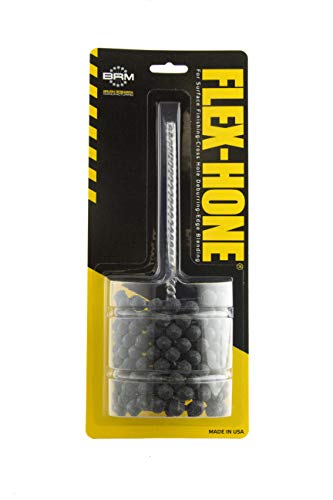
The BC30018 uses 180 grit silicon carbide for faster material removal while still delivering a uniform crosshatch finish. This makes it well suited for slightly rougher bore prep or quicker restoration when time matters. Its self-centering design helps maintain consistent contact with the bore wall.
Best for: users who need quicker setup with more aggressive cleaning of glazing and minor imperfections. Better for: larger, less precise work where speed is valued over ultra-fine finishes. Avoid: applications requiring the finest possible finish or where delicate work is essential.
Limitation: Higher aggressiveness can risk gouging if not controlled, especially in softer ferrous materials.
Brush Research GBD30024 Flex-Hone 3″ 240 Grit

The GBD30024 Flex-Hone mirrors the 240 grit family with a focus on building a uniform crosshatch while preparing cylinders for reliable piston ring seating. The tool is designed for mild steel, stainless steel, cast iron, and other softer ferrous metals, supporting typical engine rebuilding workflows.
Best for: professionals performing standard engine cylinder work and hydraulic components. Better for: users who want a dependable, factory-style crosshatch finish. Avoid: those seeking ultra-fine finishes or heavy-duty material removal in harder metals.
Limitation: As with similar 3″ hones, control matters; uneven contact can compromise the finish if the bore is unusually worn or out-of-round.
Garhgi 3 Inch Cylinder Hone Tool (240 Grit)
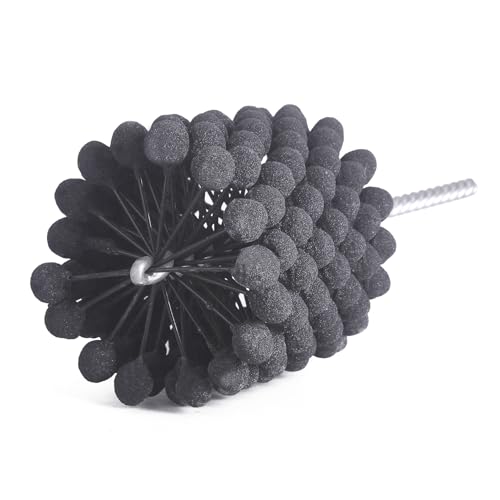
The Garhgi 3 Inch Cylinder Hone Tool offers 240 grit silicon carbide balls for a precise crosshatch finish, enhancing oil retention and piston ring seating. Its self-centering and aligning design helps maintain uniform contact pressure across the bore wall, supporting consistent results for engine rebuilding and hydraulic work.
Best for: professional wear-and-tear restoration where dependable crosshatch is essential. Better for: users who need an all-around compromise between finish quality and material removal. Avoid: users needing very fine finishes or minimal wear patterns in very hard metals.
Limitation: Some batches may vary in finishing consistency, so visual inspection prior to use is recommended.
Brush Research BC30032 3″ 320 Grit Flex-Hone

The BC30032 is a finer 320 grit option for final finishing passes and achieving a smoother crosshatch. It’s ideal when the goal is a refined bore surface for improved oil retention and seat quality, especially after heavier grinding or deburring operations.
Best for: finishing passes after rougher honing stages. Better for: users who prioritize a finer crosshatch and smoother bore surface. Avoid: applications requiring rapid material removal or very rough initial prep.
Limitation: Slower material removal means longer honing sessions if large-scale stock removal is needed.
Buying Guide: How to Choose the Right 3″ Flex Hone
- Material compatibility: Most 3″ flex hones use silicon carbide abrasive and suit mild steel, stainless steel, and cast iron. Ensure your bore material matches the hone’s recommended metals.
- Grit choice: Lower grits (e.g., 180) remove material faster but roughen the finish; higher grits (e.g., 320) provide finer finishes but remove material more slowly. Choose based on desired finish quality and bore condition.
- Crosshatch pattern: A key indicator of oil retention and ring seating. Oversized designs help self-centering action for uniform patterns; this is common across the reviewed tools.
- Application scope: For engine cylinders, hydraulic/pneumatic cylinders, valve guides, and pumps, select a tool with proven performance in similar components.
- Control and technique: Maintain steady pressure and keep the bore clean during honing. Uneven contact can lead to inconsistent finishes, irrespective of grit.
Frequently Asked Questions
- Q: Which 3″ flex hone is best for initial bore prep? A: The 180 or 240 grit options provide a balance of material removal and finishing, making them common choices for initial prep.
- Q: Can I use these hones on stainless steel? A: Yes, most 3″ flex hones are designed for mild steel, stainless steel, and cast iron. Check the specific product’s material compatibility.
- Q: Do I need to machine or drill press to use these hones? A: They are designed to work with handheld drills or standard drill jigs; a compatible drill is typically sufficient for home and workshop use.
- Q: What is the advantage of an oversized flex hone design? A: An oversized design helps the tool self-center and self-align within the bore, improving uniform contact and reducing chatter.
- Q: How do I prevent over-honing? A: Apply consistent light to moderate pressure and frequently inspect bore finish, especially in worn or irregular bores.
- Q: Are finishes uniform across different brands? A: All brands aim for a uniform crosshatch, but slight variations can occur due to grit quality and tool construction. Always verify the finish on a test bore.
For more precise finishing results, align your selection with the bore material, desired finish quality, and your workflow. Each of the five options above offers a credible path to a consistent crosshatch pattern and improved sealing performance in typical engine and cylinder applications.