Finding the right 3 inch metal tubing depends on your project needs, from lightweight automotive air intake parts to sturdy structural frames. This guide highlights five suitable 3-inch products, suitable for beginners and experienced fabricators alike. Each entry explains who it’s best for, why it’s selected, and any practical limitations. Use the quick reference table below to compare essentials at a glance.
| Product | Material | OD / Wall | Best For | Why Pick It |
|---|---|---|---|---|
| AC PERFORMANCE 3″ Aluminum Intercooler Pipe | Aluminum | 3.00″ OD, 0.071″ wall | Air intake and intercooler piping | Lightweight, easy to cut/splice/weld; good for custom paths |
| 3-1/2″ DOM Steel Tube | DOM Steel | 3.50″ OD, 1/4″ wall | Structural framing or larger-diameter runs | Durable with uniform wall; slightly larger diameter for common fabrication needs |
| 3″ Schedule 40 Pipe | A500 Steel | 3.00″ OD | General plumbing or frame components | Widely available; standard pipe size with predictable fit |
| 3″ OD x 1/4″ Wall DOM Steel Tube | DOM Steel | 3.00″ OD, 1/4″ wall | Custom fabrications and frames | High strength-to-weight; good for structural parts |
| 3 Exhaust Pipe, Stainless Steel | Stainless Steel 304 | 3″ ID / 3″ OD options | Exhaust or high-temp ducting | Corrosion resistant; suitable for heat-related runs |
AC PERFORMANCE 3″ Aluminum Intercooler Pipe Air Intake Tube

- Material: Aluminum
- Outside diameter: 3″ (76mm)
- Length: 11.8″ (300mm)
- Wall thickness: 0.071″ (1.8mm)
- Finish: Brushed; designed for cutting, splicing, or welding
- Applications: Air intake, cooling systems, turbo intercooler piping
This product is best for buyers building or upgrading air intake or intercooler piping where light weight and easy fabrication are priorities. Ideal for automotive enthusiasts who want to customize piping paths without adding excessive weight. A potential limitation is that it may require additional fittings or welding to fit non-standard setups.
3-1/2″ DOM Steel Tube, Pick Your Length
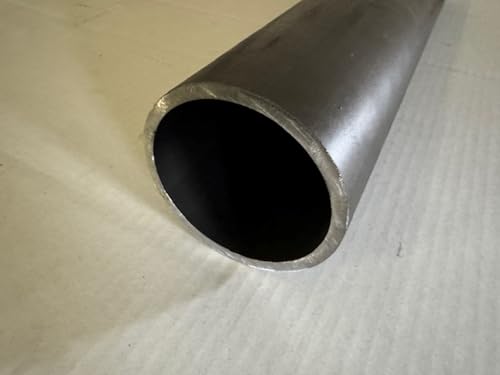
- Material: DOM Steel
- OD: 3-1/2″ (3.50″)
- Wall: 1/4″
- Notes: Pick Your Length
Best for projects requiring a slightly larger diameter with robust wall thickness, such as frame members or structural tubing in fabrication. Choose this if you need a stronger alternative to lighter tubes. Limitation: slightly heavier and may require additional handling equipment to cut or weld accurately.
3″ Schedule 40 Pipe

- Material: A500 Steel
- Diameter: 3″ Schedule 40
- Use: Common for plumbing or structural runs
Choose this for standard, readily available 3-inch steel pipe with known, compatible fittings. Best for projects where compliance with traditional plumbing or structural standards matters. Limitation: Not designed for aerospace-grade weight reduction or high-precision automotive fabrication; may be heavier than alternatives.
3/16″ Wall x 3″ x 3″ Mild Steel Square Tube

- Material: A36 Hot Rolled Steel
- Size: 3″ x 3″ Square Tube
- Wall: 3/16″ (0.1875″)
Ideal for square-frame fabrication, supports heavier loads, and suits DIY projects needing a rigid square profile. Best for builders creating frames or brackets. Limitation: The square geometry means it won’t fit round pipe applications without adapters or cutting.
3″ OD x 1/4″ Wall x 8″ DOM Steel Tube

- Material: DOM Steel
- OD: 3″, Wall: 1/4″
- Length: 8″
Better for compact, strong tube sections within custom fabrications where a balance of stiffness and length is needed. Suitable for smaller frames or reinforcements. Caution: Provided length is short; may require splicing for longer runs.
3 Exhaust Pipe, Stainless Steel 304

- Material: Stainless Steel 304
- Diameter: 3″ (OD)
- Length: 12″ (approx.)
- Feature: Mandrel-straight tubing for consistent diameter
Best for high-temperature or corrosion-resistant needs, such as exhaust or heat-exposed ducts. Choose this for longevity in demanding environments. Limitation: Stainless steel tubing can be harder to cut and weld compared to aluminum or carbon steel.
Buying Guide
What should I consider when choosing 3 inch tubing?
Material matters for strength, weight, and corrosion resistance. Aluminum is lighter, DOM steel provides consistent strength, and Schedule 40 steel offers general-use reliability. Consider end-use temperature and exposure when selecting stainless or anti-corrosion options.
What diameter and wall thickness are typical?
Common choices include 3″ OD with 1/4″ or 1/8″ walls. Heavier walls increase strength and reduce deformation but add weight. For automotive or exhaust work, a balance between weight and rigidity is key.
Should I choose round or square tubing?
Round tubes are versatile for piping, frames, and fabrications needing smooth curves. Square tubes provide higher torsional rigidity for frames and brackets but require different joining methods. Your project shape will dictate the best choice.
What about finishes and fabrication ease?
Brushed aluminum is easy to weld and shape. DOM steel offers uniform wall thickness and predictable machining. Stainless steel resists corrosion but can be harder to cut and weld. Plan for fittings, adapters, and support braces in your design.
How to plan installations without costly mistakes?
- Measure carefully and account for bend radii if routing around obstacles.
- Choose compatible fittings and connectors in advance.
- Prepare proper cutting tools and protective gear for metalworking.
- Weld or fasten joints securely, allowing for thermal expansion in hot environments.
Summary of key differences
- Lightweight and easy work: aluminum 3″ pipe for air and intercooler paths.
- High strength and rigidity: DOM steel tubes for frames and structural uses.
- General purpose: Schedule 40 steel pipe with broad compatibility.
- Compact high-strength options: short DOM tubes for small assemblies.
- Corrosion resistance: stainless exhaust piping for heat-exposed or outdoor installations.
Frequently Asked Questions
- What is the difference between OD and ID in tubing?
- Can I weld all these tubes?
- Is 3″ steel pipe suitable for exhaust fabrication?
- What should I do to avoid corrosion?
- How do I cut DOM steel accurately?
OD (outside diameter) is the external width; ID (inside diameter) is the hollow interior. Wall thickness helps determine the ID and overall strength.
Most metal tubes are weldable, but welding ease varies by material. Aluminum requires different welding techniques than steel or stainless steel.
Yes, for some exhaust and ducting applications, but ensure proper clearance, routing, and heat tolerance for components near hot zones.
Choose stainless steel or properly coated aluminum for corrosion-prone areas; store and install in dry environments when possible.
Use a blade suitable for metal, clamp securely, and complete straight cuts with a guides or a tubing cutter designed for thick-walled tubes.