Answering the need for clean, burr-free fabric cuts with minimal heat, these ultrasonic cutters are ideal for designers, hobbyists, and small workshops. Each model below excels in fabric-related trimming or post-processing tasks while handling other materials. The best fit depends on whether you need portability, battery-powered operation, or a more feature-filled workstation tool.
Summary of selected products:
- Hanboost C1 Wireless Ultrasonic Cutter — Cordless, lightweight, ideal for mobile studios and 3D printing post-processing.
- U.S. Solid Ultrasonic Cutting Machine — High-power 28 KHz, robust for industrial fabric and thermoplastic tasks.
- JNLODGE Ultrasonic Knife — 40 kHz precision for detailed fabric and multi-material work, solid for clean edges.
- MAFUNYJIN 2-in-1 Ultrasonic Knife — 40 kHz, dual function for cutting and polishing, compact for small benches.
- U1 Ultrasonic Cutter by Coolook — 40 kHz, protective features and adjustable power for various fabrics.
Hanboost C1 Wireless Ultrasonic Cutter

The Hanboost C1 offers true cordless operation with 40,000 vibrations per second, weighing about 205 g. This makes it best for mobile studios, hobbyists, and quick post-processing tasks on PLA, ABS, and resin models. The tool’s lightweight design supports extended sessions without fatigue, and its cordless nature reduces setup constraints in small workspaces.
Best for: small labs, makers, and artists who need portable cutting without a power outlet nearby. Caution: battery life may limit longer projects; plan for recharging during extended sessions.
U.S. Solid Ultrasonic Cutting Machine
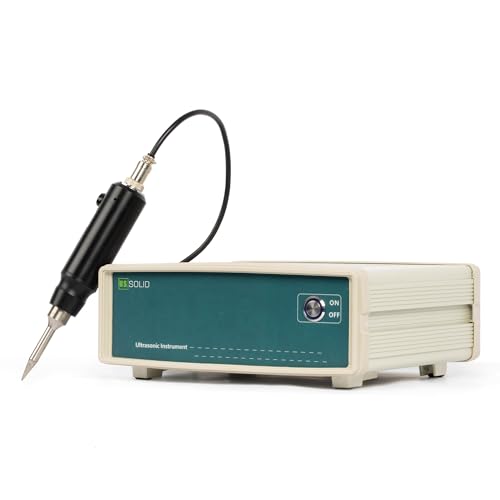
With 28 KHz and 500 W, this handheld unit delivers clean, burr-free cuts on thermoplastics and fabric blends, making it strong for industrial fabric processing and DIY workshops. It minimizes heat, smoke, and debris, improving safety and reducing material sticking during trimming tasks. It’s a good fit for fabric factories, automotive trim, and lab use where consistent cuts are required.
Best for: industrial fabric operations and DIY shops needing high power for precise trimming. Caution: heavier weight may require steadier hand or a stand for extended use.
JNLODGE Ultrasonic Knife

The JNLODGE Ultrasonic Knife uses 40 kHz vibrations to deliver smooth, burr-free cuts on fabric, plastic, leather, and wood. It emphasizes clean edges, quick cutting, and reduced heat impact, making it well-suited for precise fabric finishing and multi-material projects. It’s a good pick for detail work in crafts and model making.
Best for: users prioritizing edge quality and multi-material compatibility. Caution: higher frequency cutting can be very precise; extra blade care may be needed to maintain sharpness.
Hanboost C1 Ultrasonic Cutter With Built-in Battery

This cordless model emphasizes portability with a built-in battery and a compact form, designed for 3D-printed model work, PVC, leather, plastic, and foam board. It includes multiple blades for versatility and a lightweight build that suits on-the-go projects. It’s an efficient choice for hobbyists who value mobility and a compact footprint.
Best for: makers and hobbyists who require cordless operation and a compact tool. Caution: battery capacity may constrain long sessions away from a charging source.
MAFUNYJIN 2-in-1 Ultrasonic Knife

The MAFUNYJIN 2-in-1 device merges ultrasonic cutting and polishing for a single workflow, rated at 40 kHz with a 30 W motor. It weighs about 98 g, which supports comfortable handling and precise edge finishing. Its design suits small-bench users who want rapid transitions between cutting and polishing.
Best for: compact benches and quick post-processing on fabric, acrylic, and wood. Caution: some users may want additional blades for thicker materials or denser plastics.
JAKEMY Corded Ultrasonic Cutter

The JAKEMY cutter integrates 35 W output with 40 kHz vibrations and offers multiple modes and blades for versatile work on plastic, wood, and fabric. It includes four cutting modes and a 2-in-1 design for cutting and grinding, making it adaptable for complex craft projects and precision model work.
Best for: more demanding projects that require variable modes and a broad blade set. Caution: corded operation limits mobility compared with cordless models.
Buying Guide
What should you consider when choosing an ultrasonic cutter for fabric?
- Power and frequency: Higher frequency (40 kHz) often yields cleaner edges on delicate fabrics, while higher power supports tougher materials like leather or synthetic composites.
- Portability vs. stability: Cordless models offer mobility for small studios or onsite work, but corded versions typically provide steady power for longer sessions.
- Weight and ergonomics: Lighter devices reduce fatigue during extended cuts; check handle design and grip comfort for precise control.
- Blade compatibility: Ensure the tool supports a range of blades suitable for fabric trimming, edge finishing, and occasional multi-material cuts.
- Safety features: Look for over-temperature protection, auto-start/stop, gloves, and CE/FCC/ROHS compliance to minimize risk during use.
- Included accessories: Blades, polishing attachments, and carrying cases add long-term value for fabric-focused work.
Frequently Asked Questions
- What is an ultrasonic cutter best used for with fabrics? — Ultrasonic cutters provide clean, burr-free cuts with minimized heat, ideal for synthetic fabrics, laminated textiles, and delicate edge finishing.
- Do I need a cordless model for fabric work? — If you value mobility or work in tight spaces, a cordless model is beneficial; for continuous studio use, a corded tool can offer steadier performance.
- Will ultrasonic cutting damage fabric? — When used with appropriate blades and settings, ultrasonic cutting minimizes edge fraying and heat buildup compared to traditional blades.
- Which frequency is best for fabrics? — 40 kHz is common for clean cuts on a range of fabrics and plastics; lower frequencies may be sufficient for thicker materials.
- What safety features should I look for? — Over-temperature protection, auto start/stop, ergonomic gloves, and certifications help ensure safer operation.
- Can these tools cut other materials beyond fabric? — Yes, they can handle plastics, leather, wood, EVA, and resins, making them versatile for craft and prototyping tasks.